
What Goes Into the Cost of Owning a Unitree Robot — TCO Without Surprises
A detailed breakdown of all TCO (total cost of ownership) components for a Unitree robot over 3-5 years: consumables, software updates, maintenance, operator training, infrastructure, electricity. What people often miss at first purchase.
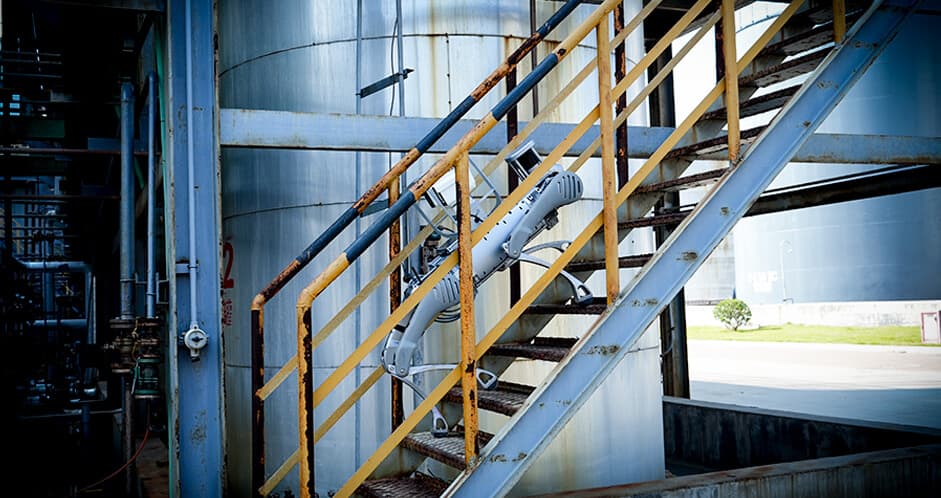
In short: the price of the robot at purchase is about 60-75% of TCO over 3-5 years of ownership. The rest splits into maintenance and consumables (10-15%), training and support (5-10%), infrastructure (charging dock, container, network — 5-10%), electricity (≈ 1-3%), potential upgrades and accessories (5-15%). With proper planning all of this is predictable. The key is not to miss items at the first-purchase budgeting stage.
This article is for financial planning: CFO, procurement director, pilot-project lead. Helps build a realistic 3-5 year budget and avoid the "we bought the robot but it sits idle because we didn't budget for X" trap.
Seven TCO components
1. The robot itself + baseline configuration
The largest and most obvious component. The model — quadruped, humanoid, arm — is chosen by task. Baseline configuration plus key options (battery, controller, software pack) form 60-75% of TCO.
2. Sensors and accessories
4D LiDAR L2, thermal imager, gas analyzers, extra cameras, dexterous hands (Dex3, Dex5), compute modules (NVIDIA Jetson). Accessories often add 20-40% on top of the bare platform — especially in industrial scenarios. Budget for them from the start.
3. Site infrastructure
What you need on top to make the robot work: charging dock, heated container (for KZ winters), Wi-Fi or mesh covering the route, brackets, safety zones. On an industrial site — 5-15% of TCO; on an office/show site — usually less.
4. Maintenance and consumables
Wear parts: rubber foot pads (replaced every 6-12 months), batteries (life 2-4 years depending on cycles), filters/seals. Plus scheduled maintenance — diagnostics, alignment, firmware updates. Alashed offers basic and extended service packs.
5. Training and support
Basic operator training is usually included with delivery. Advanced training is a separate line: SDK courses, ROS2 integration, AI/ML on robots, certification. Plus technical support (standard / Pro / Enterprise SLA). Plan 5-10% of TCO for this.
6. Electricity and energy
The cheapest part of TCO. A standard quadruped draws ~100-300 W in operation; a humanoid 300-800 W. Over an 8-hour shift that's 1-6 kWh. In Kazakhstan this is a tiny line — usually <1% of TCO. The key requirement is reliable power for the charging dock.
7. Upgrades and customization
Over 3-5 years of ownership needs arise: add a new sensor, swap Dex3 for Dex5, upgrade the compute module to a newer Jetson, order a custom programming scenario. Budget 5-15% of TCO as a buffer — this gives you flexibility without re-approving the budget.
What people miss most often
- A winter container for an industrial robot — without it, work at −30 °C is impossible.
- Mesh network on a large site — without it the robot can't stream data.
- Battery replacement in year 3 — always needed but often missing from initial budgets.
- Operator course for staff turnover — nobody has cancelled employee churn.
- Kazakhstan compliance certificates for state tenders — paid and time-consuming.
- OS and infrastructure for the AI stack — if you'll train models, you need GPU servers.
- Robot insurance — mandatory at large sites.
Budgeting checklist
- Confirm robot configuration (Basic / EDU / industrial) and options with an Alashed engineer.
- List required sensors and accessories — add 20-40% on top of the base.
- Describe site infrastructure: charging, container, network, safe zones.
- Plan 3 years of maintenance: consumables + scheduled diagnostics.
- Account for operator training (1-3 people).
- Agree the service pack (standard / Pro / Enterprise).
- Reserve 10-15% buffer for upgrades and customization.
- Get a detailed estimate from an Alashed engineer via WhatsApp.
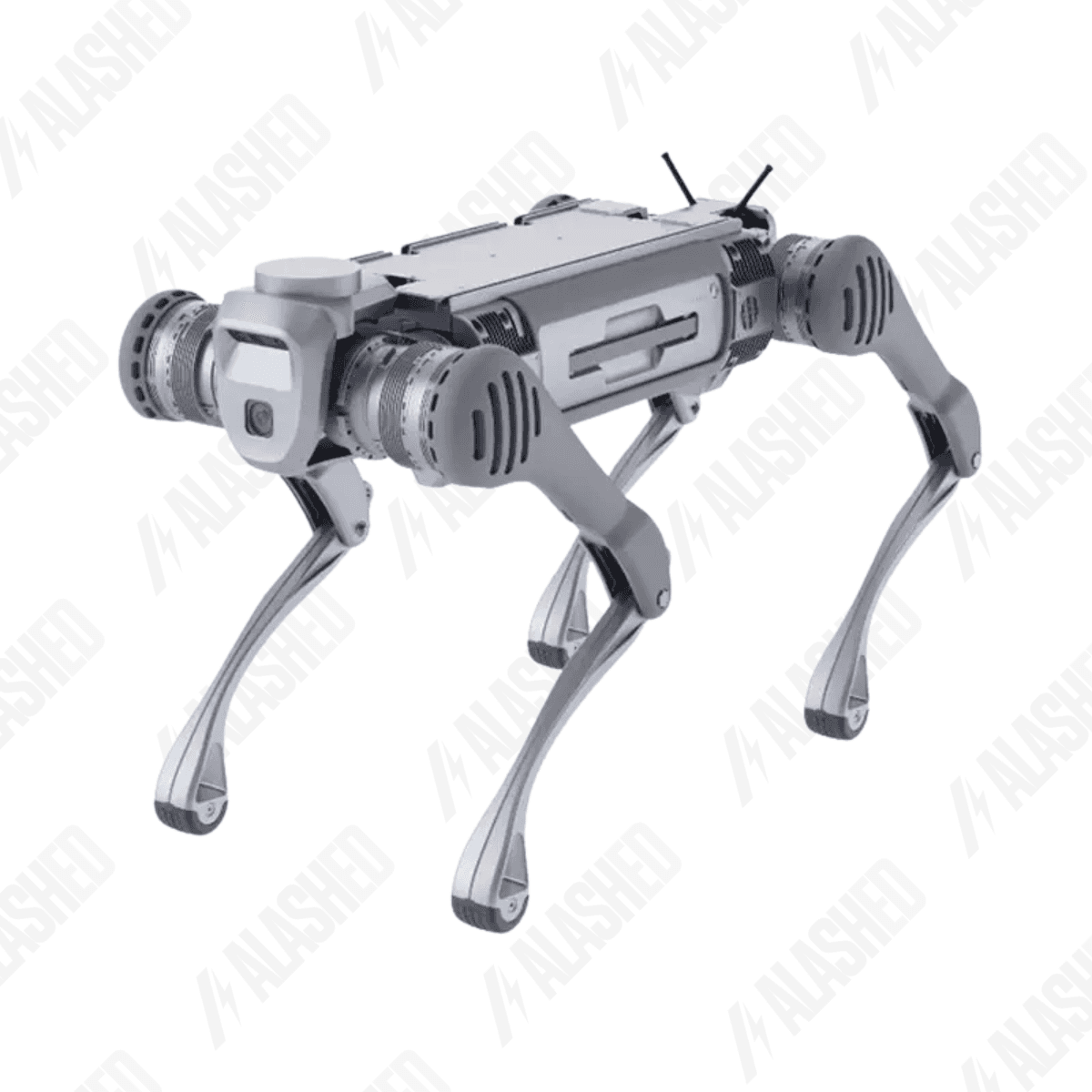
quadruped
Unitree B2
Выйди за пределы возможностей
Industrial B2: on top of the base, plan for LiDAR L2, thermal, gas analyzers, winter container.
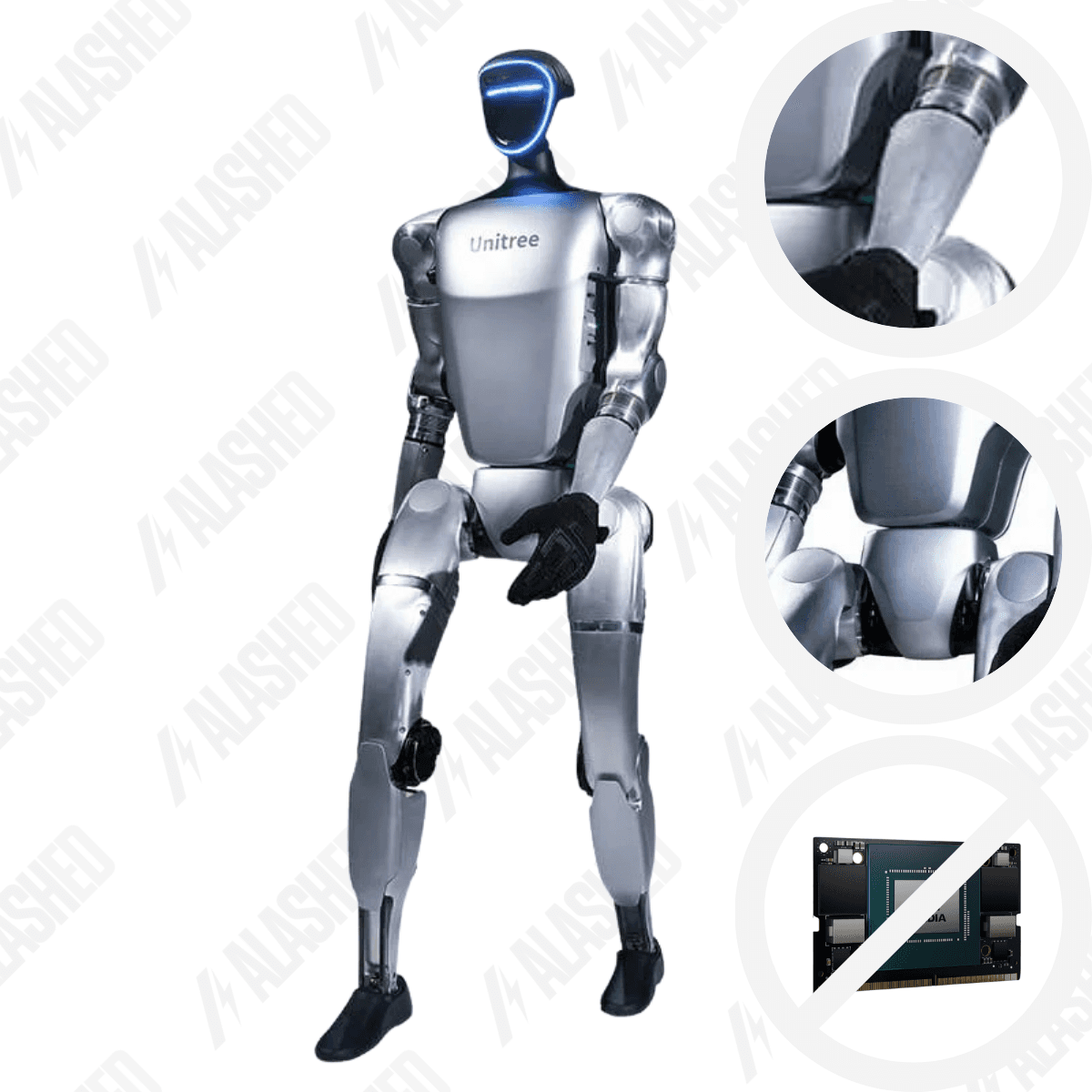
humanoid
Unitree G1
Гуманоидный AI-аватар
G1 EDU: on top of the base, plan for Dex3 or Dex5, extra batteries, SDK training.
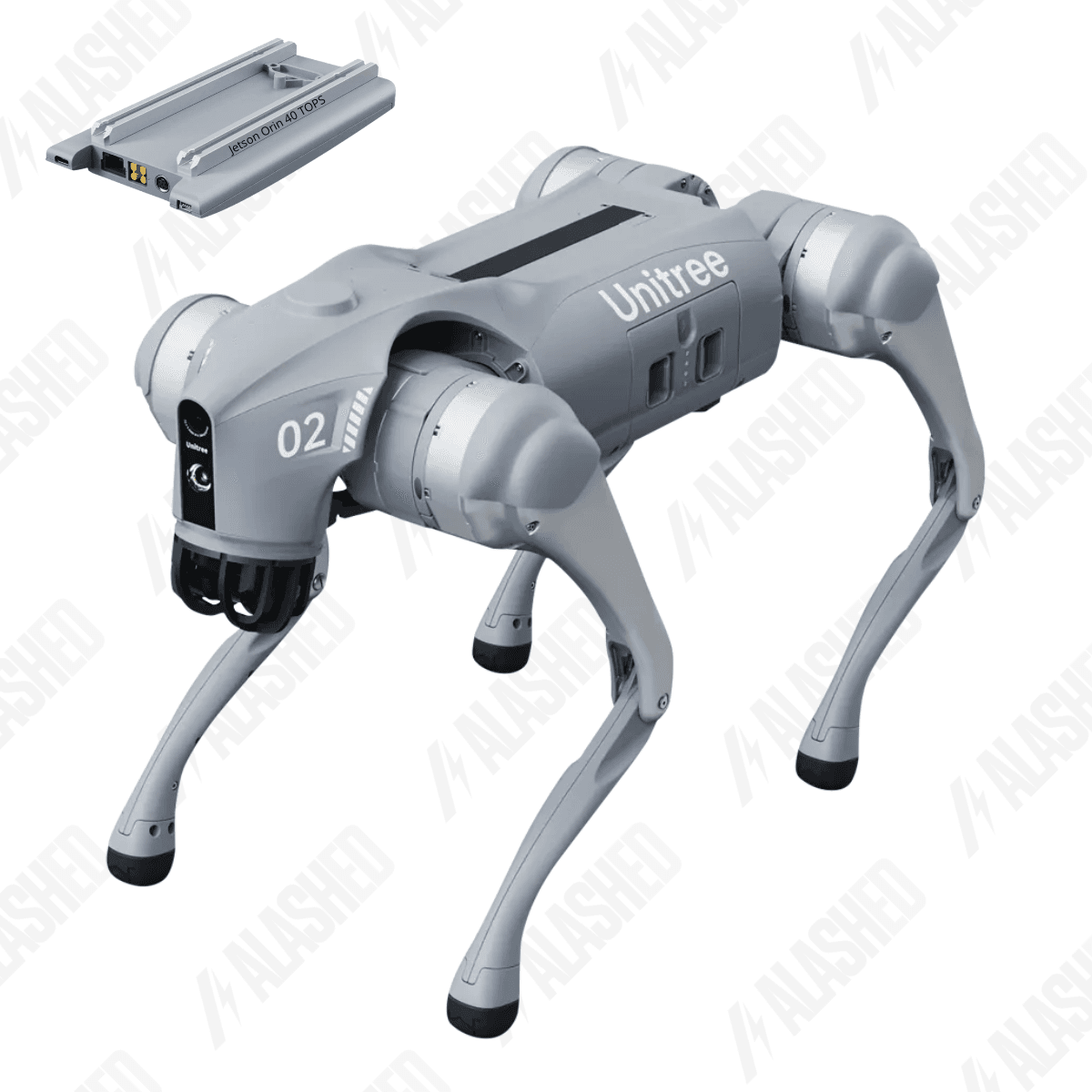
quadruped
Unitree Go2 EDU
Новое существо воплощённого AI
Go2 EDU: the base standard pack is usually enough — the lowest TCO in the lineup.
FAQ
How much does maintenance typically cost per year?
Depends on model and intensity. An industrial platform (B2, A2) — usually 5-10% of price per year under daily operation. An education robot (Go2 EDU) — 2-5%. The Pro service pack fixes this line item.
When do batteries need replacement?
Standard life is 500-1000 charge/discharge cycles, typically 2-4 years depending on intensity. A sudden drop in runtime is the indicator. A spare battery kit is often included in the initial budget.
Are software updates paid?
Baseline firmware and SDK updates are free via Unitree Robotics GitHub. Major releases with new features (e.g., new AI models) are usually free for current hardware. Paid courses apply only when ordering a custom scenario or integration.
Can TCO be minimized without losing capability?
Yes, by: 1) picking the right model for the task — don't buy H1 if G1 solves it; 2) a service pack instead of one-off repairs; 3) renting for a pilot before buying; 4) training your own team instead of relying on integrators.
Do Unitree robots pay off?
With regular use — yes. Baseline ROI: replacing 1-2 operators 24/7 on the platform plus reducing losses from human error. An Alashed engineer prepares an exact figure for your inputs.
What does warranty cover?
Baseline warranty is 12 months for factory defects. With the Pro pack — 24 months plus the Almaty spare-parts depot for fast swaps. Operating consumables (batteries, foot pads) are not covered.
Источники
- Каталог роботов Unitree — Unitree.kz
- Сервисные пакеты — Unitree.kz
- Unitree Robotics — official — Unitree Robotics
Получите расчёт под вашу задачу
Цена зависит от конфигурации и комплектации. Инженер Alashed соберёт КП и предложит подходящую модель Unitree за 30 минут.