
How to Choose a Unitree Robot for Your Business: 2026 Guide
We compare the Unitree lineup — quadrupeds Go2, A2, B2, B2-W, humanoids G1, H1, H2, R1, and the Z1 arm — and show how to pick a robot for a specific business task in Kazakhstan. Decision tree, spec table, industry recommendations and FAQ.
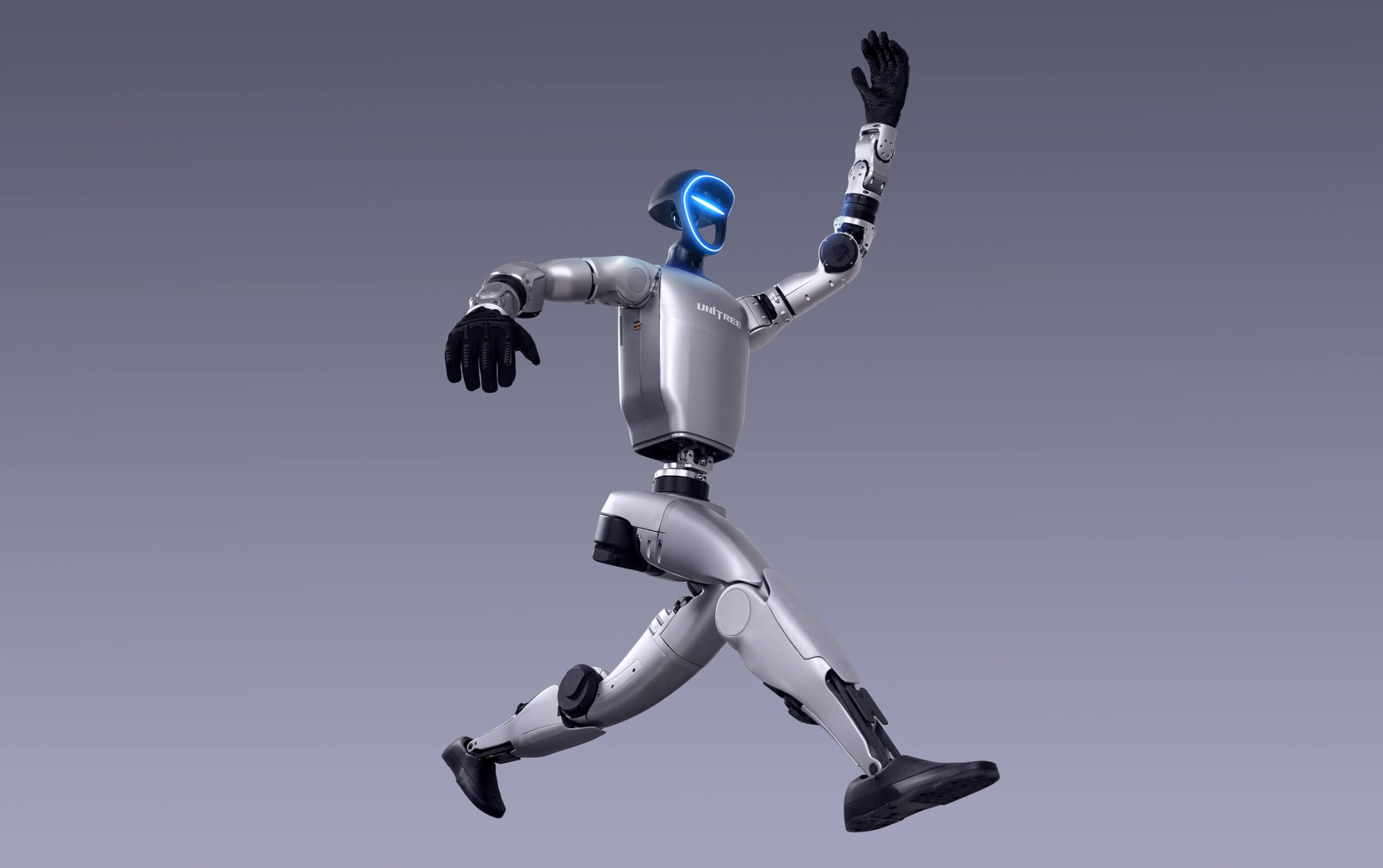
In short: for light tasks and presentations, choose Go2 or A2. For heavy inspection and industrial sites — B2 or B2-W. For education and an affordable research humanoid — G1. For R&D and advanced manipulation — H1, H2, or G1 paired with Dex3-1. For lab automation and training — the Z1 arm. Below is a 4-question decision tree, a comparison table, and industry recommendations.
This article is a practical guide for a CTO, project lead, or procurement manager picking their first Unitree robot for the business. We won't cover every detail — we will help you narrow the choice to 1–2 models within 10 minutes. All specifications are based on official Unitree Robotics materials current as of 2026.
4 questions before choosing a robot
Before looking at specific models, answer these questions — they cover 80% of cases and let you rule out unsuitable platforms quickly.
1. Where will the robot operate?
Indoors on a flat floor — almost any Go2 or R1 works. Outdoors, on uneven terrain, in rain and dust — you need at least IP54 (A2) or IP67 (B2, B2-W). For extreme temperatures from −20 °C to +55 °C — pick B2 or A2 (industrial versions). The G1, H1, and H2 humanoids are designed for dry, enclosed environments.
2. What task needs to be solved?
Presentations, marketing, shows — Go2, R1, G1. Inspection and patrol — A2 or B2 + LiDAR L2. Payload up to 40 kg — B2 (cargo mode). Object manipulation — humanoid G1/H1 with Dex3-1 or Dex5-1P hands, or the stationary Z1 cobot. Data collection for AI models via VR teleoperation — G1-D or D1-T.
3. Do you need development / SDK?
If the robot will work "out of the box" with ready scenarios — take Basic/Air versions (Go2, R1, G1 Basic). If you plan custom software, ROS2 integration, or reinforcement learning — pick EDU configurations (Go2 EDU, G1 EDU U1–U7). They include an embedded compute module (NVIDIA Jetson Orin up to 100 TOPS) and a full C++ / Python SDK.
4. What is the budget tier?
Without quoting specific figures (they depend on configuration, currency and batch) — there are three tiers. Entry: Go2 Air, R1 — for presentations and basic development. Pro/EDU: A2, Go2 EDU, G1, H2 — for serious development and pilot projects. Industrial: B2, B2-W, H1 — for industrial deployment. An Alashed engineer can prepare a concrete quote for your task within 30 minutes via WhatsApp.
Comparison table of current models
The table is based on official Unitree specifications. "Protection class" is listed only for outdoor platforms. Battery life is given without extra payload in a typical mode.
| Model | Type | Weight | Max speed | DOF | Protection | Battery | Primary purpose |
|---|---|---|---|---|---|---|---|
| Go2 (Air/Pro) | Quadruped | ~15 kg | up to 5 m/s | 12 | — | 1.5–2 h | Light inspection, demos, education |
| Go2 EDU | Quadruped | ~15 kg | up to 5 m/s | 12 | — | 1.5–2 h | Development, SDK, research projects |
| A2 | Quadruped | ~30 kg | up to 5.5 m/s | 12 | IP56–IP67 | 4+ h | General-purpose inspection, scouting |
| B2 | Quadruped | ~60 kg | up to 6 m/s | 12 | IP67 | 5+ h | Heavy industrial inspection, up to 40 kg payload |
| B2-W | Wheeled quadruped | ~60 kg | > 8 m/s | 12 | IP67 | 5+ h | High-speed patrol on mixed terrain |
| R1 | Humanoid | ~25 kg | up to 2 m/s | 24–26 | — | 2–3 h | Service / demo robot, basic development |
| G1 (Basic/EDU) | Humanoid | ~35 kg | up to 2 m/s | 23–43 | — | ~2 h | Affordable research humanoid |
| G1-D | Humanoid | ~35+ kg | up to 2 m/s | 43 | — | ~2 h | Data collection via VR teleoperation |
| H1 / H1-2 | Humanoid | ~47 kg | up to 3.3 m/s | 26 | — | ~3 h | R&D flagship for complex tasks |
| H2 | Humanoid | ~55 kg | up to 4 m/s | 31–51 | — | ~3 h | Advanced humanoid with facial expressions and 2070 TOPS AI |
| Z1 | Robotic arm | ~8 kg | — | 6 | — | platform-dependent | Lab cobot, R&D, automation |
By industry: which robot fits
Below are typical scenarios for industries in Kazakhstan and Central Asia. For each, we list a recommended model and a short reason. For details, visit the corresponding industry solution page.
Oil & gas, energy, heavy-asset inspection
The robot must endure dust, moisture, temperature swings and operate autonomously on a predefined route. Key parameters — IP67, −20 °C to +55 °C, 5+ hours of battery life, payload capacity for accessories (thermal imager, gas analyzer, additional LiDAR).
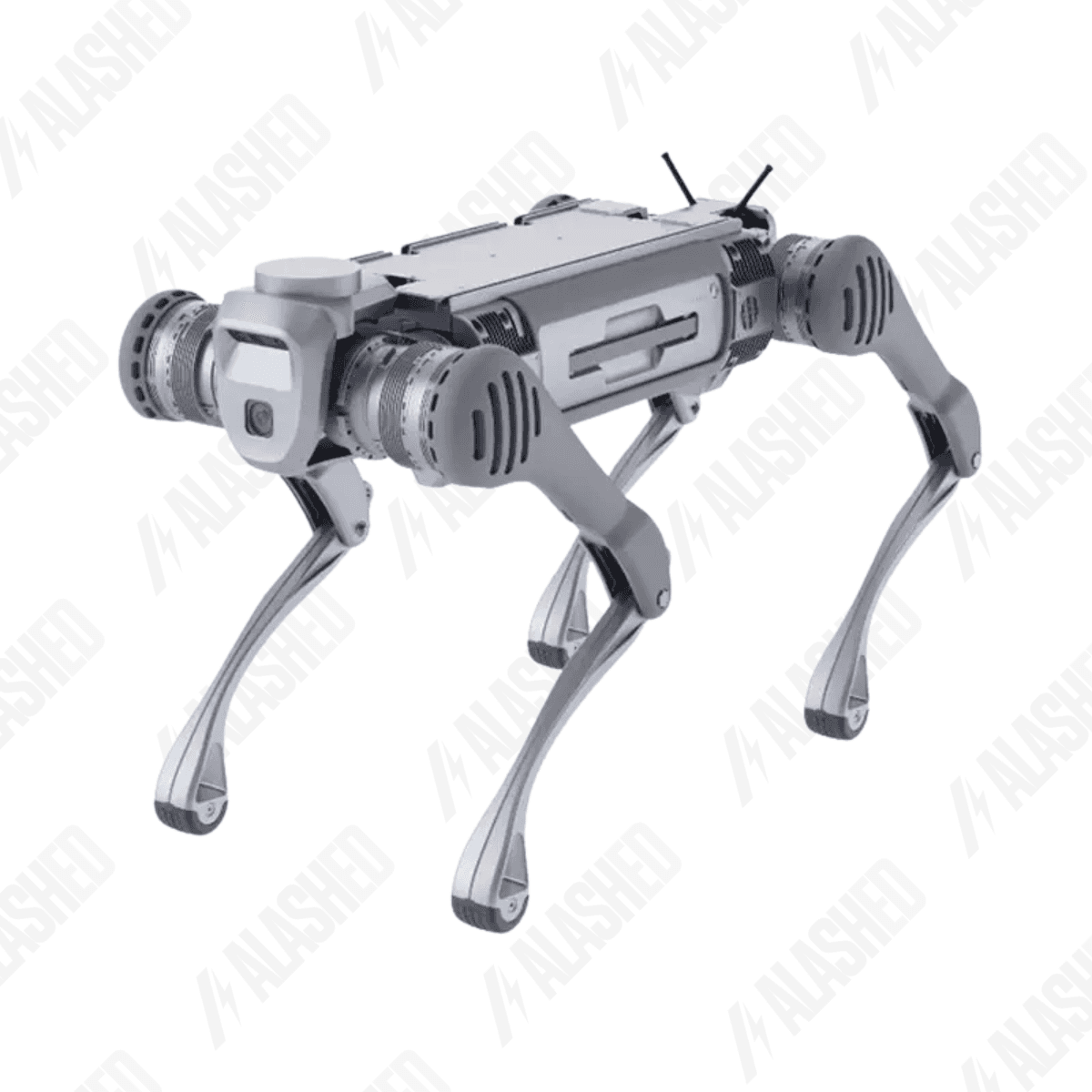
quadruped
Unitree B2
Выйди за пределы возможностей
Standard choice for refineries, oil depots, substations and transmission lines. IP67, up to 40 kg payload, 5+ hours of autonomy.
Security, patrol, emergency response
Here speed, agility and 24/7 stable operation with thermal and night vision matter most. For mixed terrain (warehouses, perimeters, parking lots), a wheeled-legged platform is better — it's faster on flat surfaces.
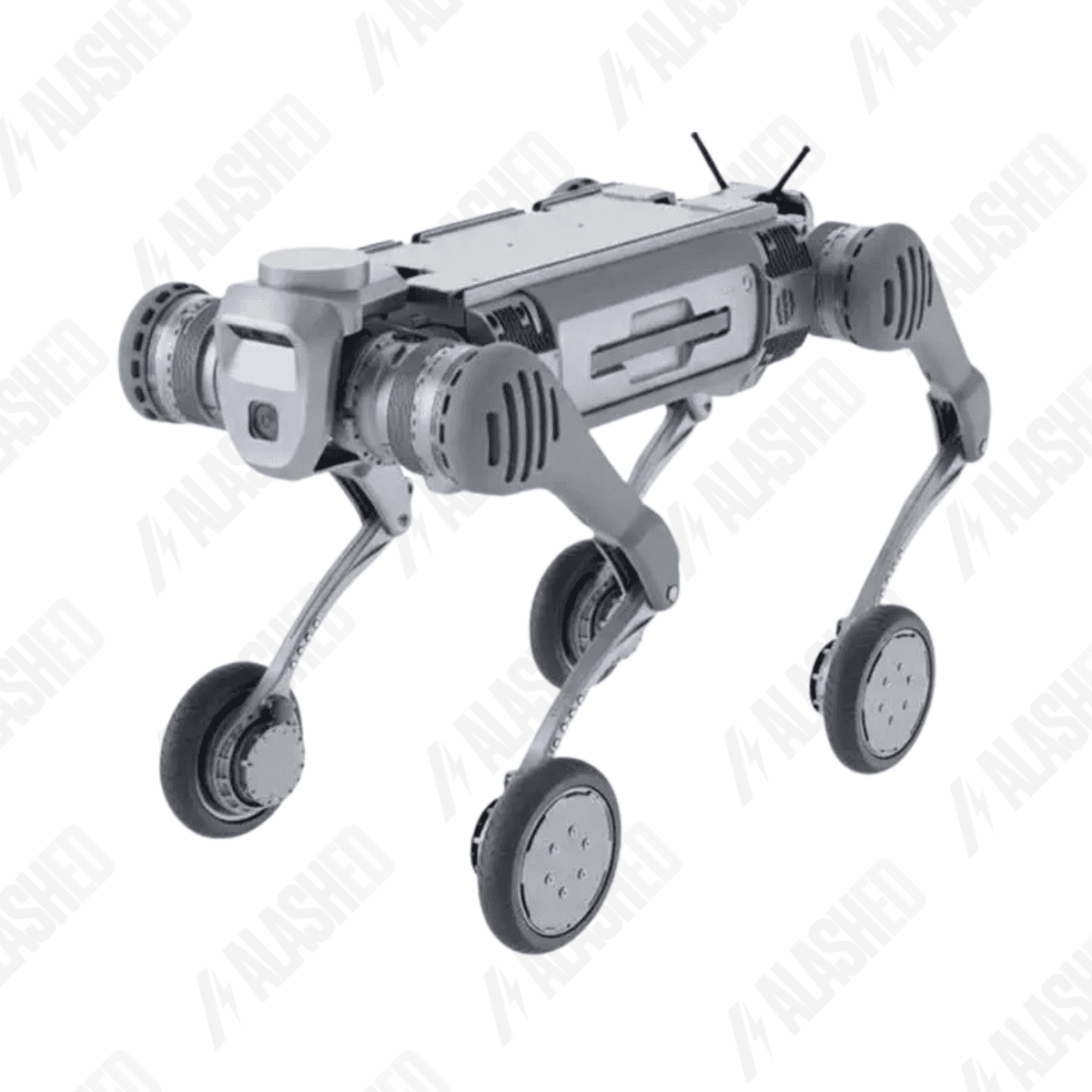
quadruped
Unitree B2-W
Дальше и эффективнее
Wheeled-legged platform: > 8 m/s on wheels + ability to handle obstacles and stairs. IP67, 40 kg payload.
Education, STEM, research labs
For schools, colleges and universities, the priorities are: open SDK, ready curriculum, ROS2 and Python support, maintainability and instructor training. Go2 EDU is enough for the basic program; for an advanced humanoid program — G1 EDU.
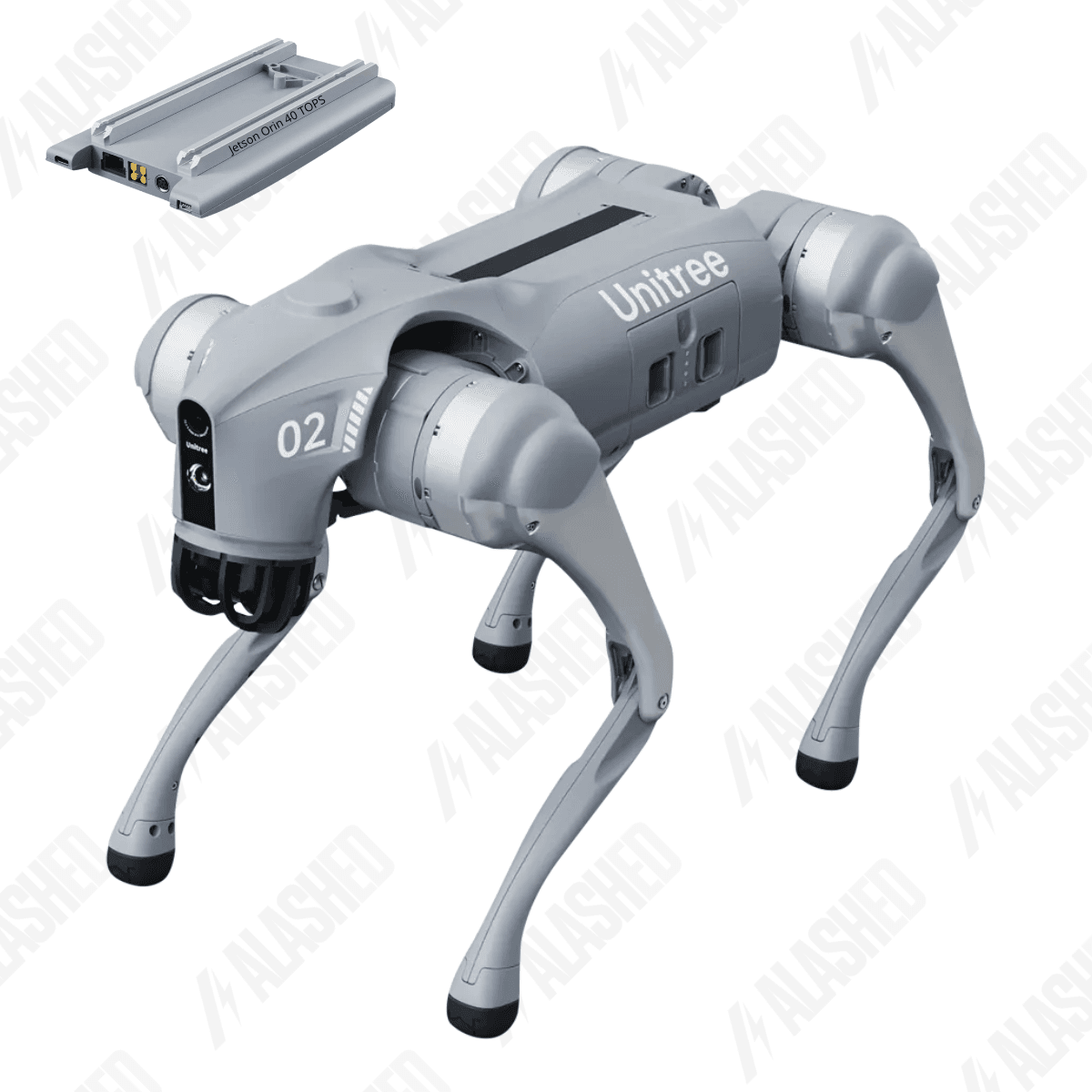
quadruped
Unitree Go2 EDU
Новое существо воплощённого AI
Basic STEM lab: Python/ROS2, LiDAR L1, open code samples, visual programming.
humanoid
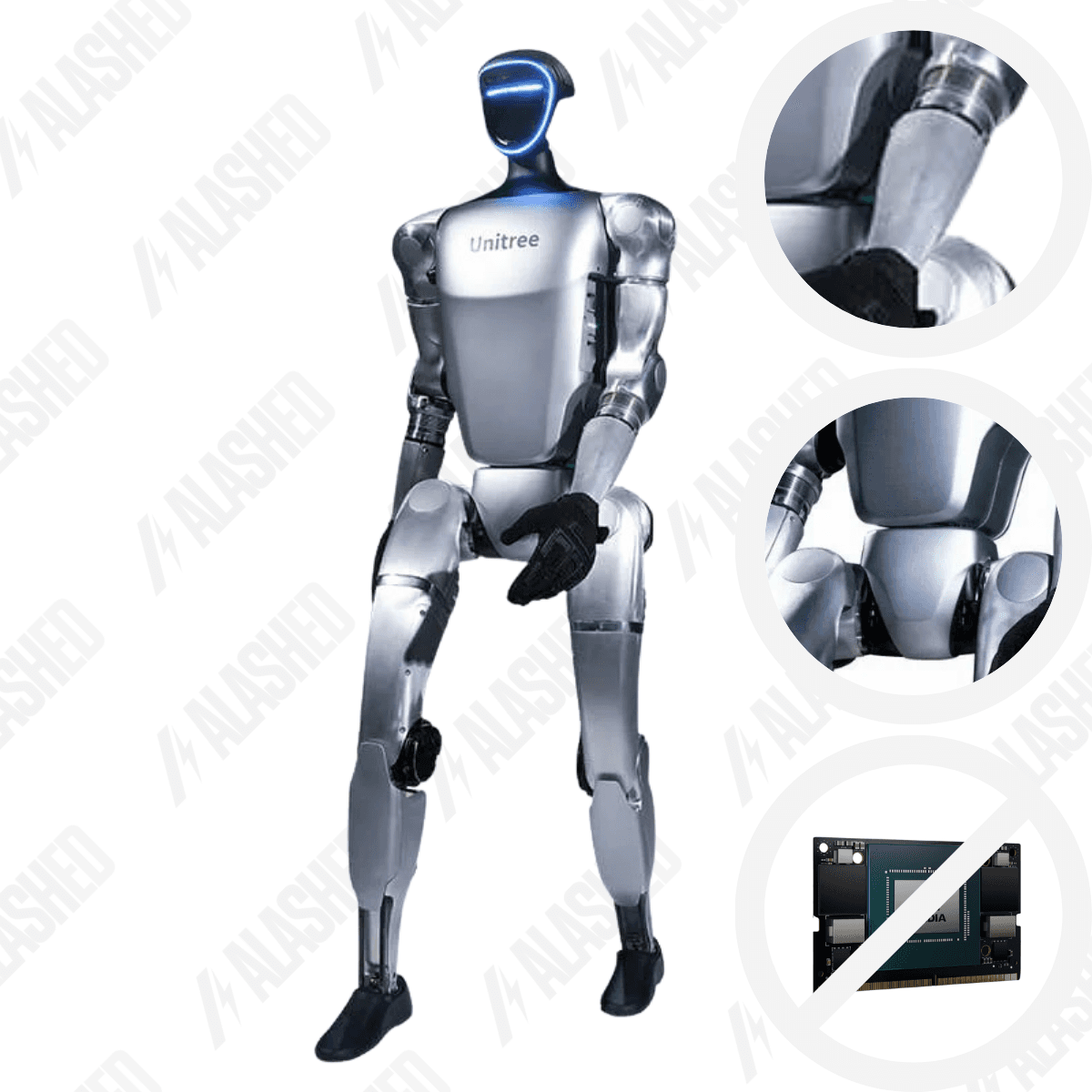
Unitree G1
Гуманоидный AI-аватар
Advanced humanoid robotics lab: up to 43 DOF, NVIDIA Jetson Orin, reinforcement learning support.
HoReCa, malls, events
What matters most is attention and stable operation in crowds. The robot needs to dance, run scripted routines, move safely through people and recharge quickly between shifts.
humanoid
Unitree G1
Гуманоидный AI-аватар
Ideal for shows and brand activations: acrobatics, boxing, scripted behavior, light weight for easy logistics between venues.
Logistics, warehouses, inventory
Here you need a robot that drives the warehouse at night, scans SKUs, uploads data to your WMS, and doesn't interfere with forklifts during the day. A wheeled base speeds up flat-floor work; legs handle aisle thresholds.
quadruped
Unitree B2-W
Дальше и эффективнее
Night inventory: high speed in flat aisles + ability to handle thresholds and stairs.
R&D, AI/ML, data collection
Teams working on reinforcement learning, imitation learning, or VR teleoperation pipelines pick platforms with embedded compute and maximum DOF. H1 and G1-D shine here, and Z1 covers stationary manipulation.
humanoid
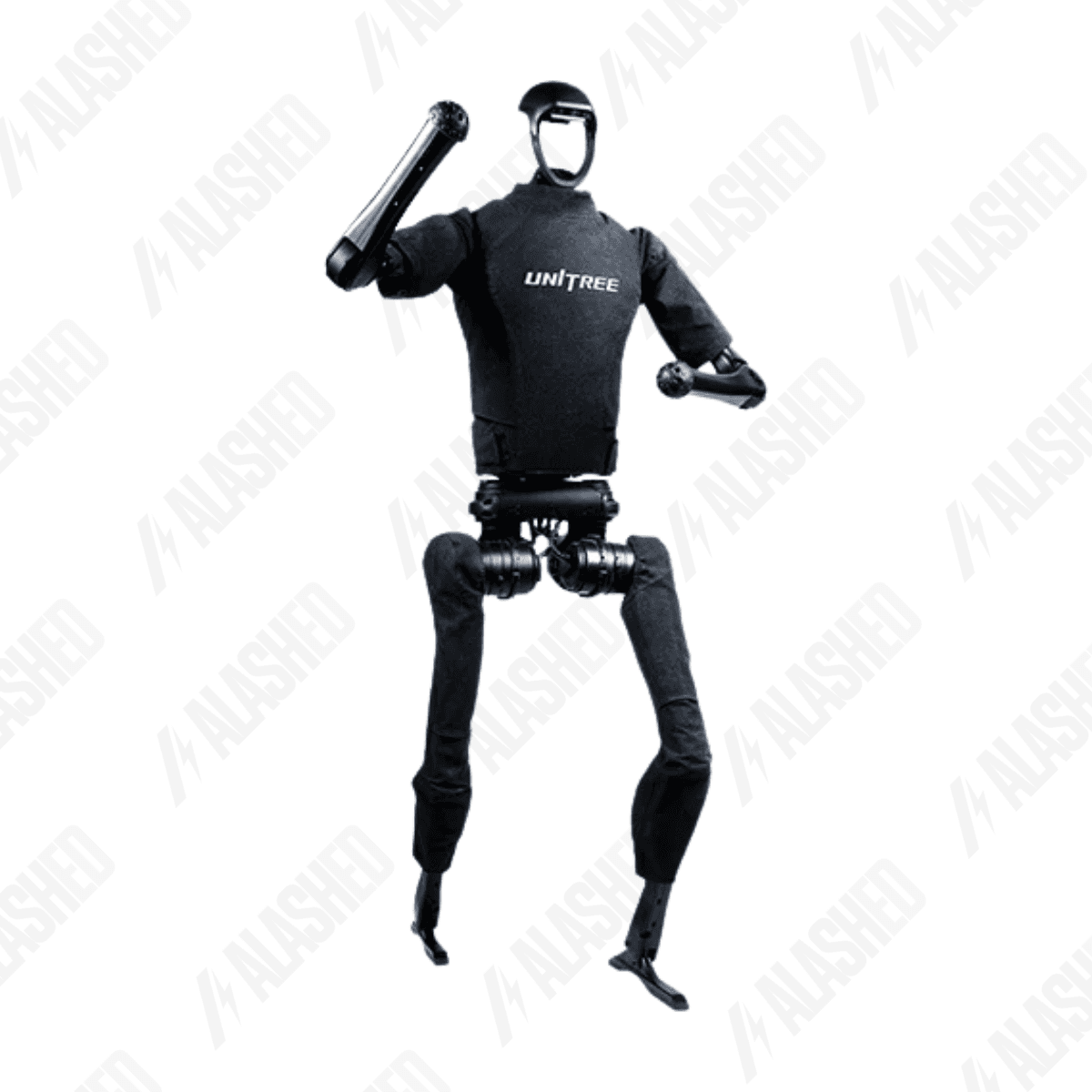
Unitree H1
Первый универсальный гуманоид
R&D flagship: 360 N·m joint torque, up to 3× NVIDIA Jetson Orin NX, open SDK.
humanoid
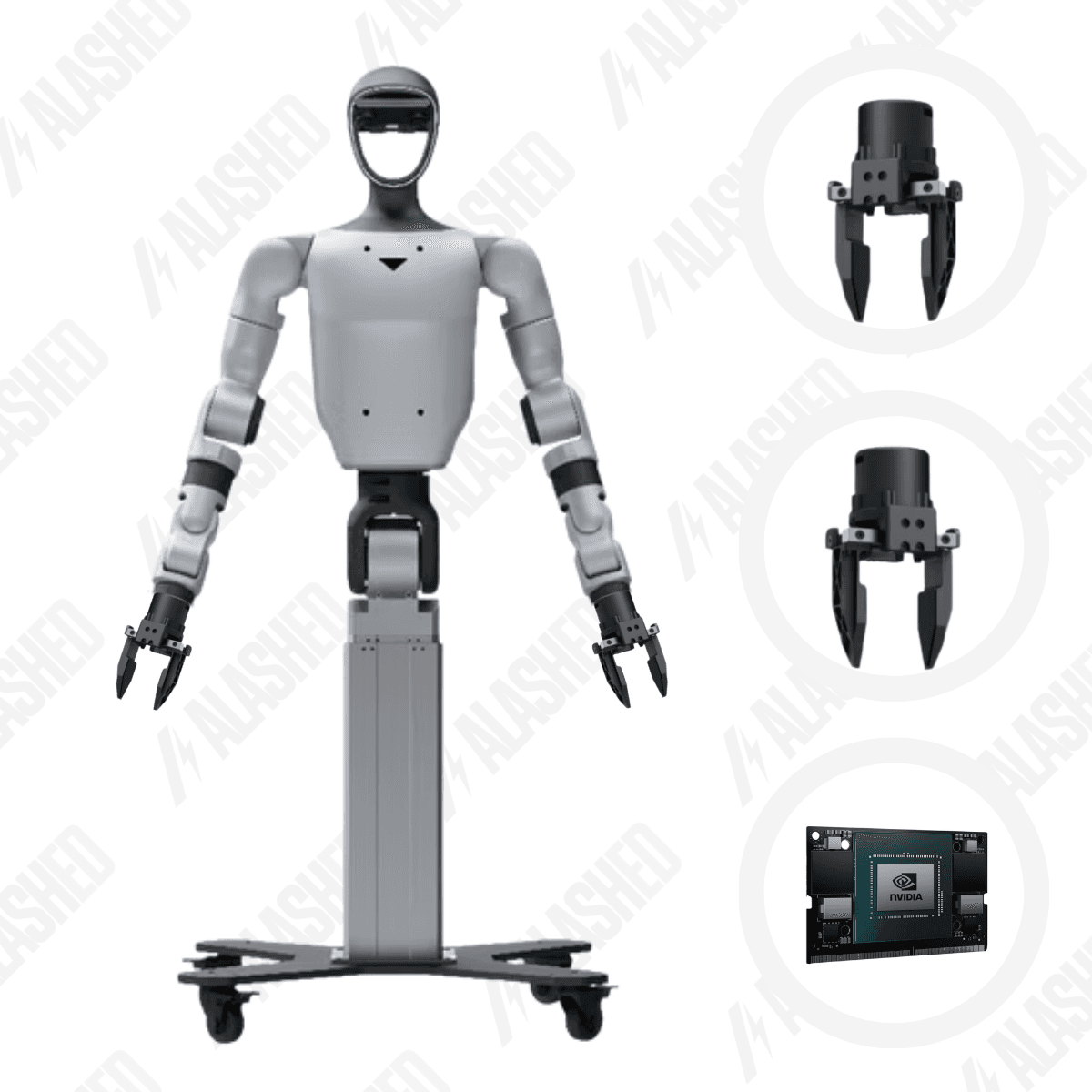
Unitree G1-D
End-to-End платформа для гуманоидных роботов
Data-collection platform: VR teleoperation, mobile base, compatibility with imitation-learning pipelines.

arm
Unitree Z1
6-осевой робот-манипулятор
6-DOF cobot for labs and automation: 0.1 mm precision, ROS2/Python SDK.
Pre-purchase checklist
- Accessory compatibility: which robot supports Dex3-1 / Dex5-1P hands, which supports the external LiDAR L2.
- Team competence: EDU versions require a Python/ROS2 engineer; Basic works out of the box.
- Warranty: 12 months baseline, extended to 24 months with the Pro service pack + spare-parts depot in Almaty.
- Logistics: delivery across Kazakhstan typically takes 3–7 business days; across the CIS — 7–21 days including customs.
- Operator training: for most industrial models the operator course is included with delivery.
- Certification: for government tenders, verify the availability and lead time of compliance certificates.
- SDK support: check the list of compatible ROS2 packages and the availability of GitHub samples.
Frequently asked questions
What is the difference between Go2 and Go2 EDU?
Go2 (Air/Pro) is the consumer / pro version for basic use and demos. Go2 EDU adds an open C++/Python SDK, extra sensors, and an embedded compute module for development. If you plan custom software or ROS2 integration — choose EDU.
How long does robot delivery in Kazakhstan take?
Standard delivery across Kazakhstan is 3–7 business days when the model is in stock in our Almaty warehouse. For other CIS countries — 7–21 days including customs clearance. An engineer will confirm the exact timing after configuration is agreed.
Can I rent a robot instead of buying?
Yes. Short-term rental (from 1 day — for exhibitions and demos), mid-term rental (1–6 months — for pilots), and long-term rental with a purchase option (6–24 months) are all available.
What warranty applies to Unitree robots?
The baseline warranty is 12 months across the entire lineup. With the Pro service pack, the warranty extends to 24 months. The service center and spare-parts depot are based in Almaty.
Is the G1 suitable for home use?
G1 is designed as a research platform, but it can physically be used in a large office or residence. For consumer scenarios, Unitree offers the R1 — a more compact and affordable humanoid.
Which languages and environments does the Unitree SDK support?
Officially supported: C++ and Python, plus ROS2 integration (Humble and newer). For G1 and H1, simulation is available in MuJoCo and Isaac Sim. Documentation and examples are on the Unitree Robotics GitHub.
Can I attach additional sensors to a robot?
Yes. Most models (especially B2, A2, and G1 EDU) include mounting points and power for accessories: 4D LiDAR L2, thermal imagers, gas analyzers, additional cameras and compute modules.
Источники
- Unitree Robotics — official product specifications — Unitree Robotics
- Unitree Robotics SDK and examples on GitHub — Unitree Robotics
- Каталог роботов Unitree в Казахстане — Unitree.kz
- Условия аренды роботов Unitree — Unitree.kz
Получите расчёт под вашу задачу
Цена зависит от конфигурации и комплектации. Инженер Alashed соберёт КП и предложит подходящую модель Unitree за 30 минут.