
The History of Unitree Robotics — from Laikago 2017 to G1 and H2 in 2026
A short history of Unitree Robotics — the Hangzhou-based Chinese company that went from the first Laikago quadruped to mass-produced G1, H1, H2 humanoids in 8 years and became the de-facto standard in 2026 robotics.
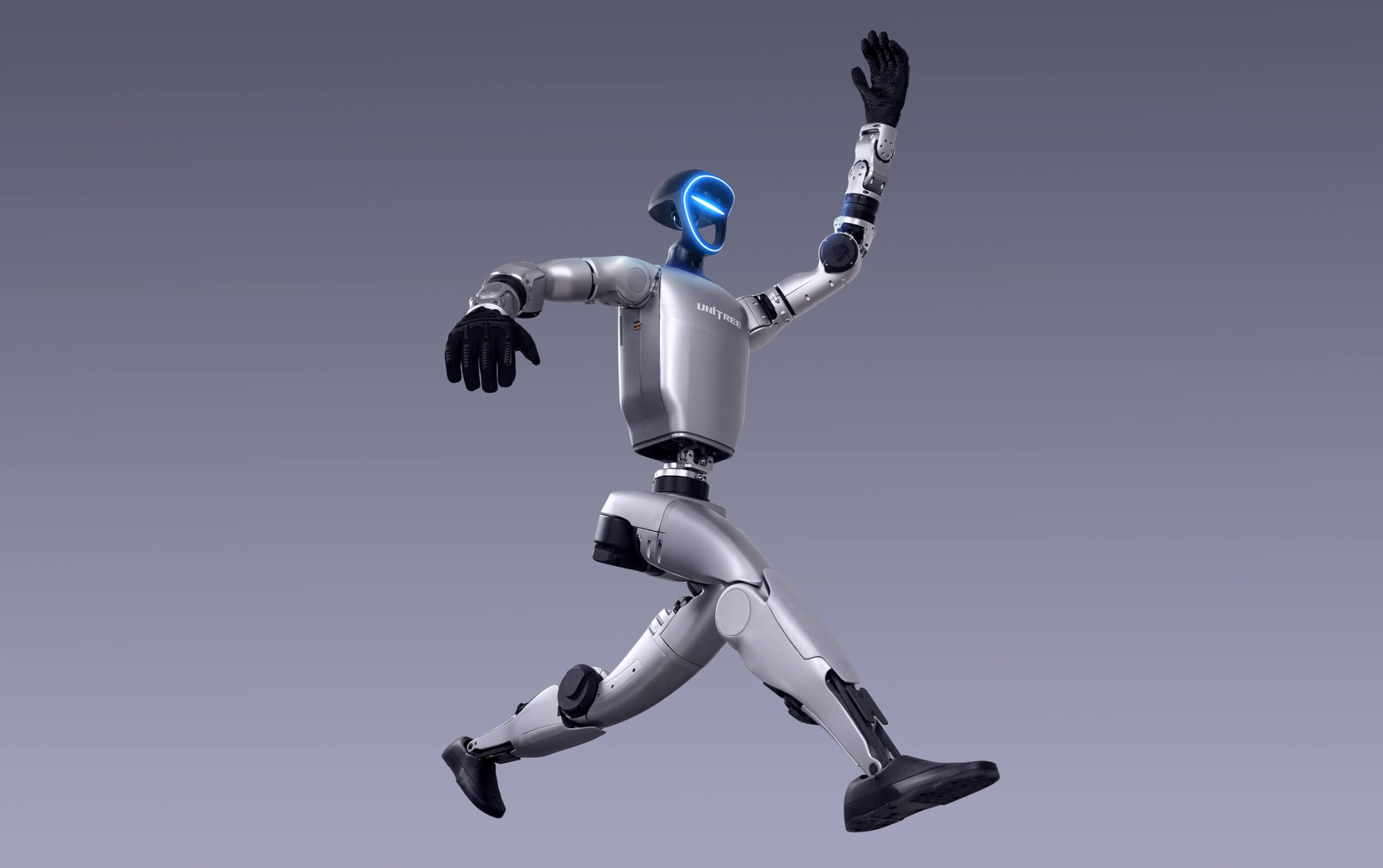
In short: Unitree Robotics was founded in 2016 by Wang Xingxing, a Shanghai University graduate. In 2017 they showed the first Laikago quadruped. By 2026 the company ships dozens of models: Go2, A2, B2 quadrupeds; R1, G1, H1, H2 humanoids; Z1, D1-T arms; Dex3, Dex5 dexterous hands; 4D LiDAR L1, L2. Unitree robots performed at the opening of the Beijing Olympics (2022), on Chinese national TV, and at dozens of international exhibitions. In 2025 the company set the world humanoid speed record (H1 — 3.3 m/s).
This article is for anyone who wants the context: where Unitree came from, why it became the mass producer of humanoids, and where the company stands in the global industry in 2026.
Key milestones
2016 — founding
Wang Xingxing, a Shanghai University graduate, founded Unitree Robotics in Hangzhou with a mission to make advanced robotics affordable. The team started with a few engineers focused on quadrupeds.
2017 — Laikago
Unitree's first quadruped, ~22 kg, capable of carrying up to 5 kg. It proved: quadrupeds can be built in China at Boston Dynamics quality but more commercially accessible. Laikago shipped to research labs worldwide.
2018–2020 — A1
A1 — compact, ~12 kg, bets on mass research adoption. Dozens of universities buy it for STEM programs and baseline research. Price becomes a competitive advantage.
2021 — Go1
The first "mass-market" quadruped in the world — Go1 launches as a consumer product. AI assistant, voice control, baseline scenarios. The first time a quadruped becomes a product for the wider market.
2022 — B1 + Beijing Olympics
B1 — industrial quadruped with IP68, 80 kg payload, built for industrial inspection. In parallel, Unitree participates in the opening ceremony of the Beijing Winter Olympics — 109 robots in a synchronized show. A global PR moment that put the company on the international map.
2023 — Go2, B2, H1
Go2 — refreshed mass-market quadruped with 4D LiDAR L1, NVIDIA Jetson, open SDK. B2 — flagship for heavy industry. H1 — Unitree's first production humanoid, 175 cm, 26 DOF. From this point Unitree becomes one of the two or three key humanoid producers in the world.
2024 — G1, H1 speed record, IROS
G1 launches as an accessible mass-market humanoid — 132 cm, up to 43 DOF (EDU U7), priced many times below Boston Dynamics Atlas. H1 sets the world humanoid speed record — 3.3 m/s. At IROS 2024 Unitree demonstrates acrobatics and boxing on G1.
2025 — H2, R1, Dex5
H2 — next-gen flagship humanoid with 51 DOF, facial expressions, 2070 TOPS AI. R1 — compact home humanoid. Dex5-1P — five-finger dexterous hand with 94 tactile sensors. The dexterous hand lineup makes Unitree the only company with a full open-market humanoid stack.
2026 — industry standard
By 2026 Unitree robots are shipped to dozens of countries, used at MIT, Carnegie Mellon, Stanford, Tsinghua, in Google DeepMind and NVIDIA research, in industrial pilots in oil & gas and energy, at events and in HoReCa. Unitree becomes part of academic infrastructure: at IROS 2025 several dozen papers build on their platforms.
Why Unitree matters for Kazakhstan
Unitree.kz is the official Unitree Robotics distributor for Kazakhstan and Central Asia. Through Alashed, teams in KZ get direct access to the full technology stack: G1 / H1 humanoids, Go2 / B2 quadrupeds, dexterous hands, arms, LiDAR — with local support, training and service in Almaty. This gives Kazakhstan access to the robotics frontier on par with top countries.
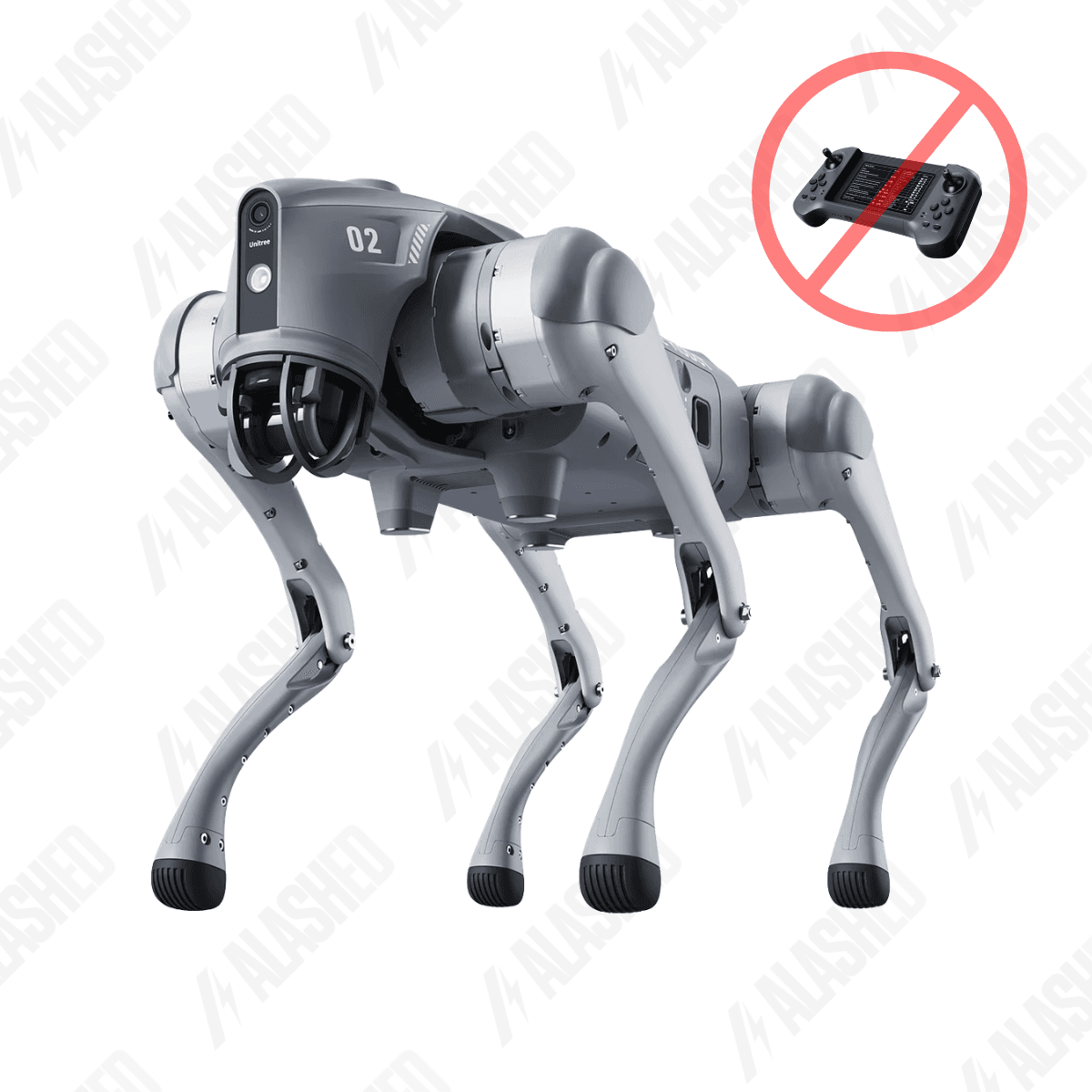
quadruped
Unitree Go2
Новое существо воплощённого AI
Modern mass-market quadruped — continuation of the Laikago → A1 → Go1 line.
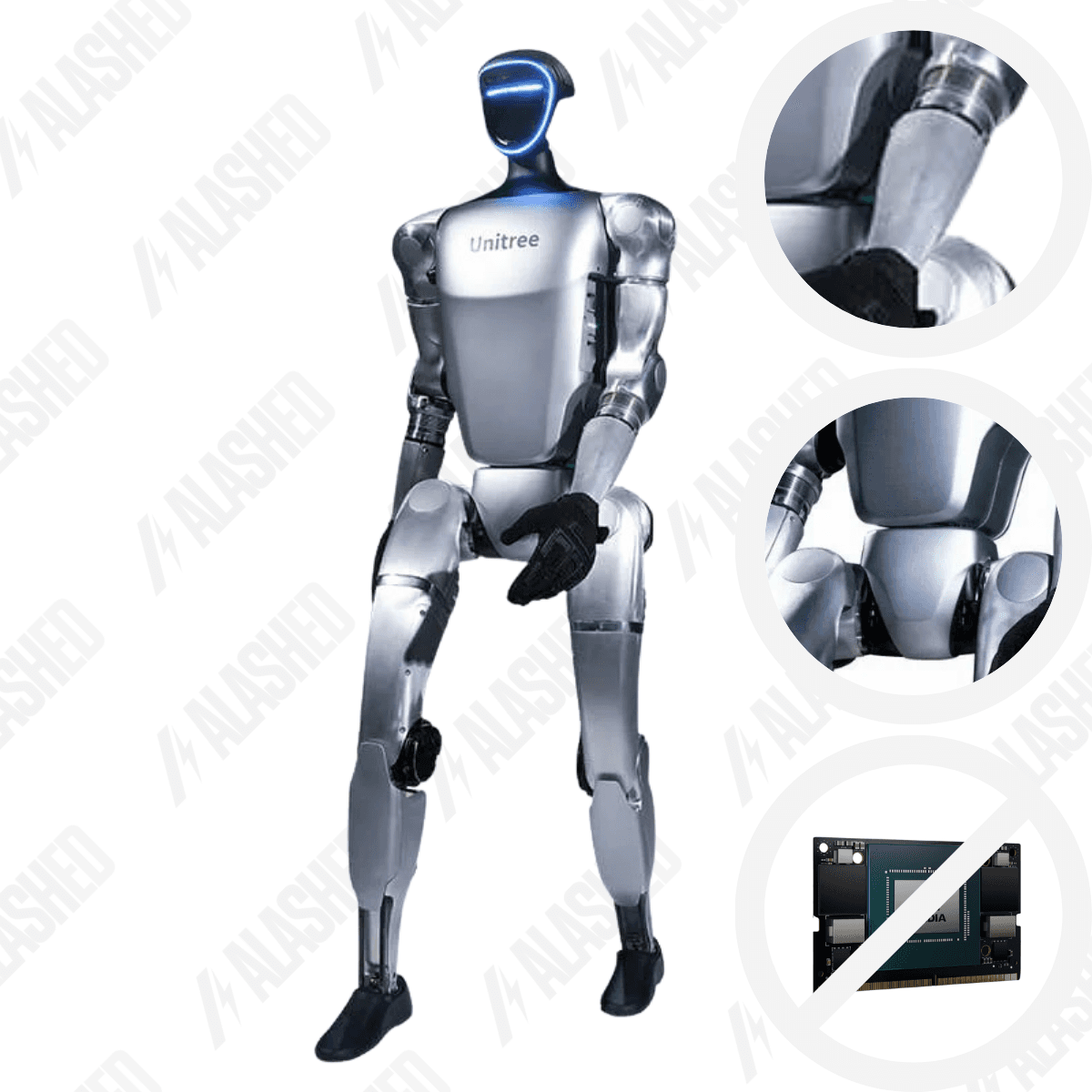
humanoid
Unitree G1
Гуманоидный AI-аватар
Affordable humanoid — symbol of the 2024–2026 shift to mass humanoid robotics production.
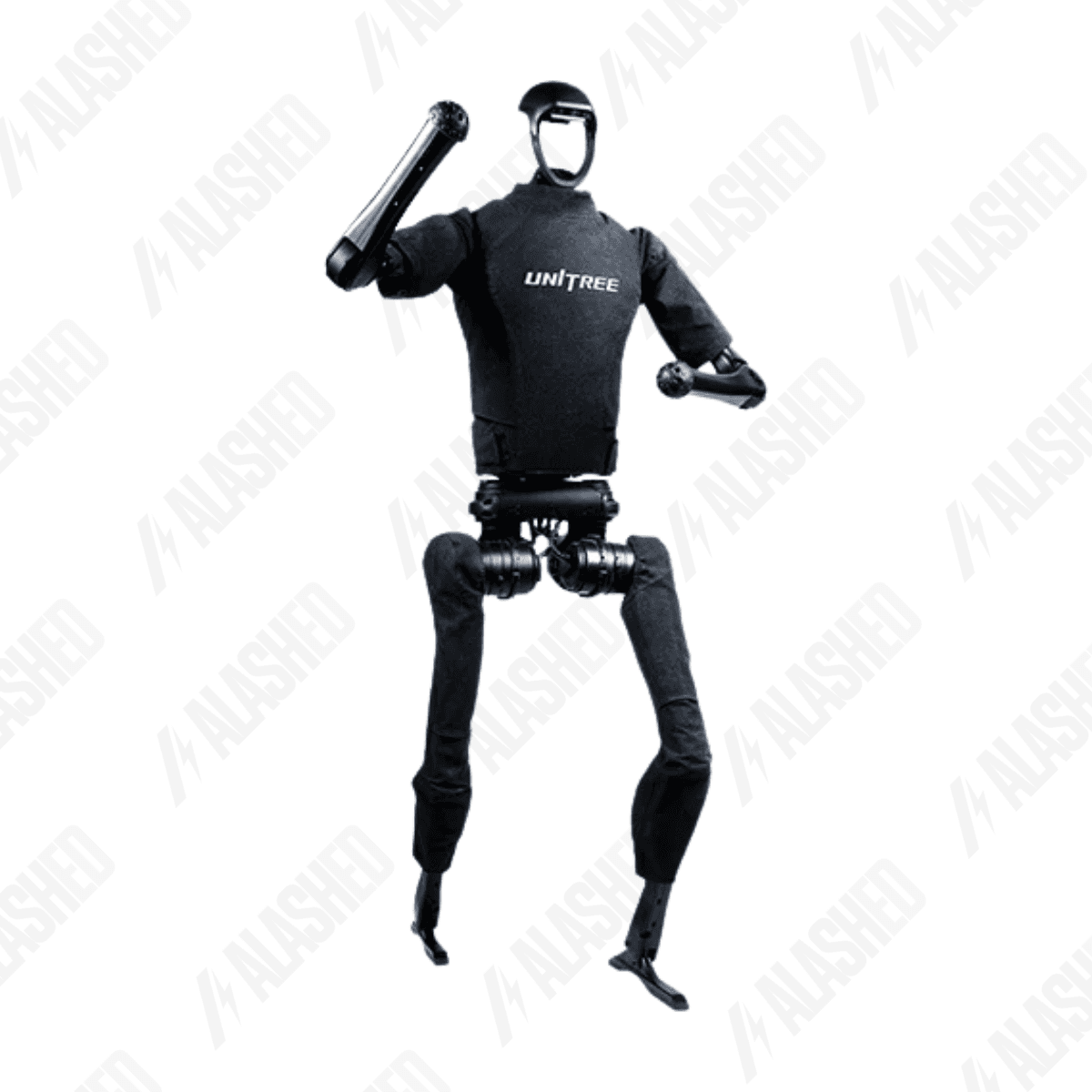
humanoid
Unitree H1
Первый универсальный гуманоид
Flagship humanoid with the world speed record.
FAQ
Where is Unitree headquartered?
Hangzhou, China. The company was founded in 2016 by Wang Xingxing. It has manufacturing in China and an international distribution network.
Why did Unitree grow so fast?
Three factors: 1) Focus on a single niche (quadrupeds → then humanoids), 2) Open SDK and support of the research community, 3) Mass production in China with an aggressive price strategy. This enabled global market entry without the premium of European and American competitors.
Does Unitree compete with Boston Dynamics?
Same category (humanoids), different segments. Boston Dynamics — premium R&D with US corporate contracts. Unitree — mass research and industrial play. By shipment volume Unitree is already significantly ahead of Boston Dynamics.
Where can you see Unitree robots in action?
Beijing Olympics 2022 (109 quadrupeds), Chinese national TV, IROS / ICRA / CoRL 2023–2026, CES, ROBOWORLD; in Kazakhstan — at Alashed (Unitree.kz) demos and university STEM labs.
What's next?
Per company statements for 2026–2027 — scaling G1 and H2 production, launching the next-gen H3 and more advanced dexterous hands, growing the AI stack (in-house VLA models). Unitree aims to become the hardware standard for the global Embodied AI industry.
Источники
- About Unitree Robotics — Unitree Robotics
- Unitree Robotics — Wikipedia
- О компании Unitree.kz — Unitree.kz
Получите расчёт под вашу задачу
Цена зависит от конфигурации и комплектации. Инженер Alashed соберёт КП и предложит подходящую модель Unitree за 30 минут.