
A Robot for Inspecting Power Lines and Substations in Kazakhstan
How Unitree B2 / A2 quadrupeds automate rounds of 110–500 kV substations, line inspection, thermal diagnostics and fire scouting at KEGOC, KEGOC-DC and regional REK energy assets.
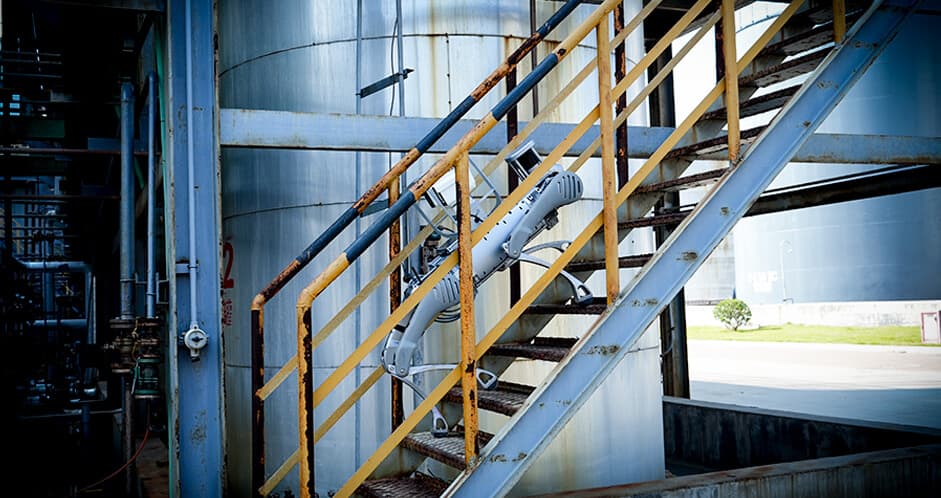
In short: for substations and power lines in Kazakhstan the baseline choice is the Unitree B2 with a thermal imager and a 4K optical camera. For tight switchgear and hard-to-reach points — the A2. The robot autonomously walks a substation on a defined route, captures thermograms from transformers, breakers, disconnectors and busbars, streams to the dispatcher and produces a maintenance report. This reduces electric-shock risk for staff and closes the daily-inspection requirement without humans entering the switchyard.
This article is for chief engineers, operations and HSE teams at KEGOC, KEGOC-DC, Samruk-Energy, regional distribution energy companies (Almaty, East Kazakhstan, Karaganda REK) and independent generators. We focus on the typical tasks: thermal diagnostics, switchyard rounds, 110/220/500 kV line inspection, insulation control, remote first response to incidents.
What the robot does in energy
Thermal diagnostics in switchyards
The main case is a daily walk of the outdoor switchyard with a thermal imager. The robot follows an approved route, measures the temperature of each apparatus (110/220 kV transformers, breakers, disconnectors, surge arresters, busbar bridges), compares with a reference and the historical database. Hot contacts, faulty insulation, broken oil cooler — all caught before a trip. The report is bound to the single-line diagram and auto-routed into SCADA.
Inspection rounds without humans in the switchyard
Kazakhstan's energy-safety rules limit human presence in energized outdoor switchyards. The robot performs visual rounds — checks oil levels in tanks, insulator condition, foreign objects, fence integrity, grounding state. Anything found is logged with photo, coordinates and timestamp.
Overhead line and corridor inspection
At transit substations and on short OHL spans the robot walks the line corridor and checks towers, insulators, conductors and strings. For long corridors (500 kV trunk lines) it pairs with drones: the robot covers tower bases and substation perimeters; the drone covers the span.
Fire scouting and incident response
Transformer oil, switchgear and cable plant are the main fire sources. When the fire alarm triggers, the robot enters first: thermal finds the seat, camera captures the scene, video streams to the command point. This matters for Almaty CHP-2, Ekibastuz GRES-1, Kyzylorda GTPP and other large facilities.
Energy-site requirements
The key constraints are EMI resistance (220–500 kV outdoor switchyards generate strong fields), safe distances to live parts, climate and dust.
| Parameter | B2 | A2 | KZ energy |
|---|---|---|---|
| Protection class | IP67 | IP56–IP67 | IP54+ for outdoor switchyards |
| Operating temperature | −20 to +55 °C | −10 to +55 °C | −35 to +50 °C (heated shelter in winter) |
| Battery runtime | 5+ hours | 4+ hours | shift 4–8 hours |
| Payload | up to 40 kg | up to 15 kg | thermal + 4K + options 5–15 kg |
| EMI resistance | IEC 61000-4 | IEC 61000-4 | 220–500 kV — EMC verification |
| Safe distances | Held autonomously via map | Held autonomously via map | PUE + KZ safety rules |
| Stair clearance | up to 40 cm | up to 25 cm | switchyard walkways |
Sensor stack for energy
- Thermal imager 640×512 or 1024×768 with −20 to +600 °C range — primary diagnostics.
- 4K camera with 20–30× optical zoom — detailed inspection of insulators, strings, contacts.
- 4D LiDAR L2 — switchyard SLAM, forbidden zones, accurate pose during thermal capture.
- UV camera (optional) — corona and partial-discharge detection on insulation.
- Microphone + ultrasonic sensor — corona detection by sound (40 kHz).
- SF₆ gas analyzer (optional) — leak control on 110–500 kV breakers.
- Floodlight + night camera — for nighttime inspection when contacts cool down.
Integration with the substation control system
The robot integrates via the standard energy protocols: IEC 61850 (through a gateway) for protection and SCADA, IEC 60870-5-104 for the dispatcher, OPC UA for the upper layer, MQTT for cloud diagnostics. Thermal images are automatically tied to the single-line diagram. Alerts flow to the on-duty dispatcher and the predictive maintenance system (APM).
Recommended models
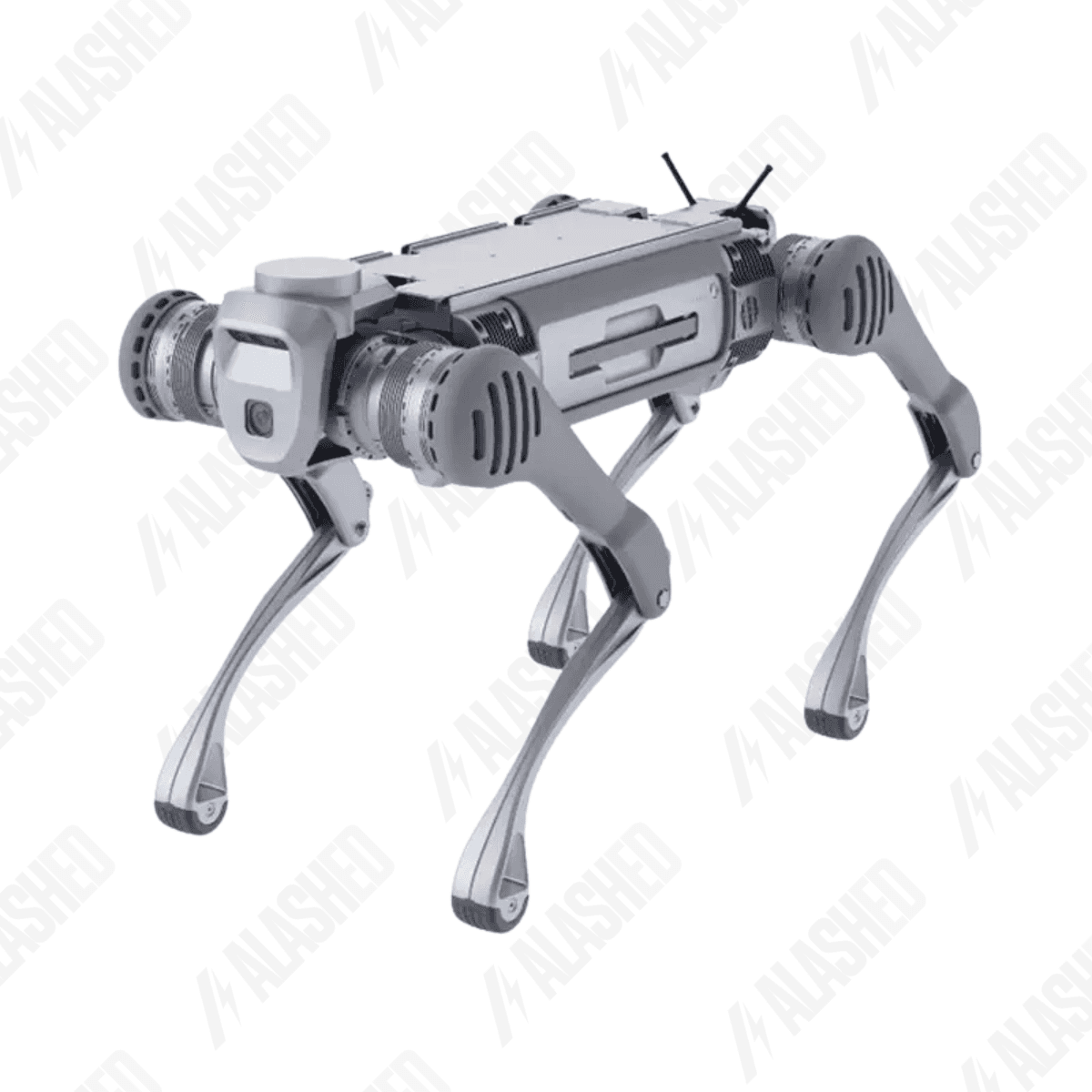
quadruped
Unitree B2
Выйди за пределы возможностей
Baseline platform for 110–500 kV switchyards and large substations. IP67, up to 40 kg payload for thermal + additional sensors.
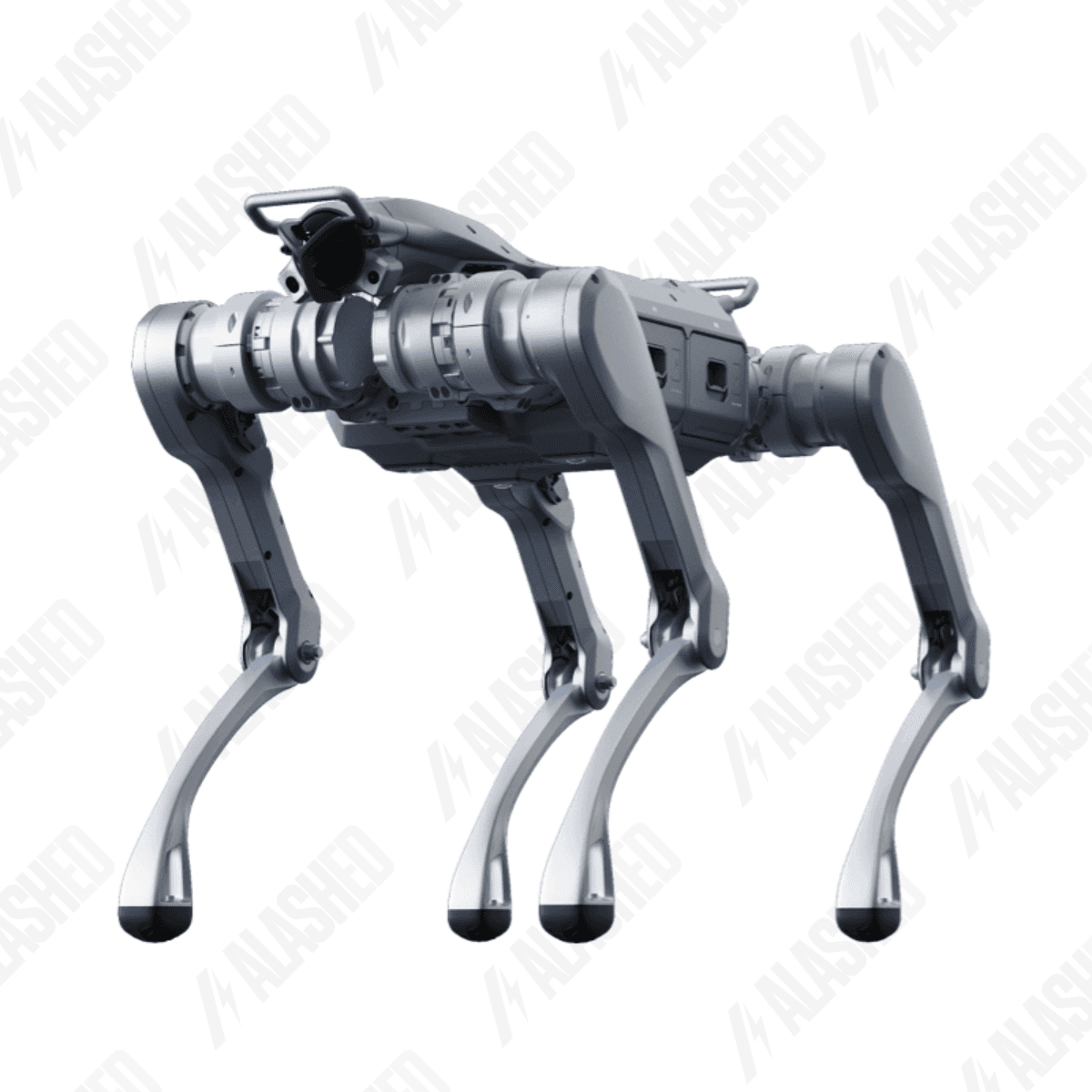
quadruped
Unitree A2
Звёздный исследователь
Compact inspection of indoor switchgear, cable basements and distribution panels. Agility in narrow corridors.
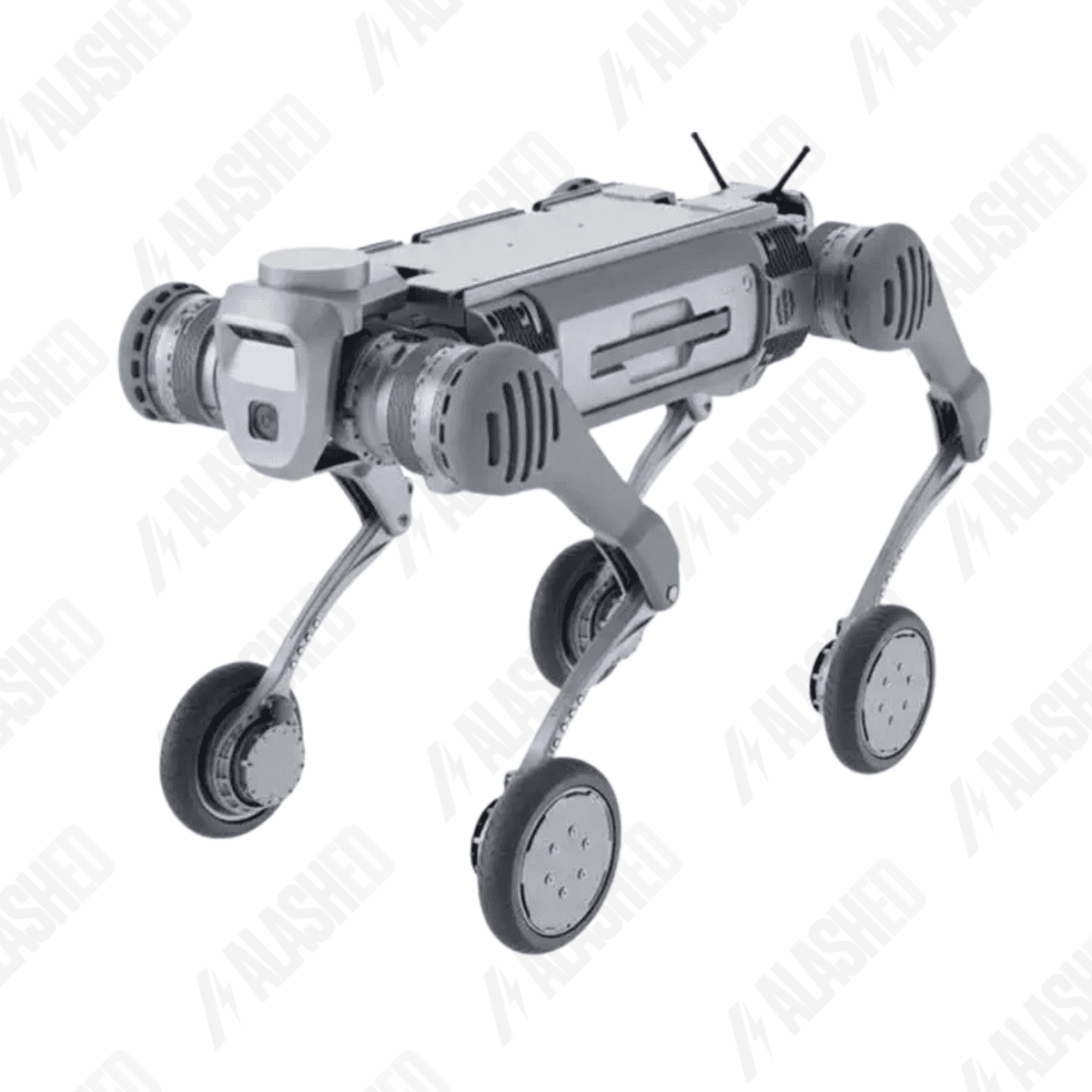
quadruped
Unitree B2-W
Дальше и эффективнее
Wheeled-legged platform for fast traversal of large energy assets (CHP, GRES).

sensor
4D LiDAR L2
Бесконечная революция
4D LiDAR L2: switchyard map, PUE forbidden zones, night-time navigation.
A typical project on an energy site
- Route and forbidden-zone sign-off with operations and HSE teams.
- EMI tests: verify robot resistance to the switchyard EMC environment.
- 3–7 day pilot inspection with verification of thermal data against reference measurements.
- Configuration of route, inspection schedule and SCADA integration.
- Training of operating and maintenance staff.
- Handover into operation + SLA support with platform redundancy.
Frequently asked questions
Does the EMI from a 500 kV switchyard affect the robot?
EMI is considered upfront: resistance is tested per IEC 61000-4. Onboard electronics are shielded by default; for critical sites additional tests run before the pilot. On most 110–220 kV substations operation is stable; for 500 kV — a site-specific check.
How does the robot maintain safe distances to live parts?
Forbidden zones are baked into the SLAM map at commissioning. The robot physically cannot enter them. Double control — on the navigation layer and at the dispatcher. Any attempt to enter = immediate stop and alarm.
Can the robot inspect long OHL corridors?
For long trunk OHL, the optimum is a combination: drone for the corridor + robot for substations and tension towers. The robot can walk a corridor section within its battery (3–10 km depending on route and payload).
What is the thermal measurement accuracy?
Thermal imager 640×512 or 1024×768 with accuracy ±2 °C or ±2% (whichever is greater). Reference calibration is done at commissioning and then on schedule. Accuracy is sufficient for defect classification into Level I/II/III per RD.
What about winter in North and East Kazakhstan?
At sustained −30 °C and below the robot lives in a heated shelter on site, leaves for rounds and returns to warm up. This is the standard scheme for all robotic platforms in energy globally.
Which pilots are running in Kazakhstan?
Alashed works with regional REKs and independent generators on pilots at 110–220 kV substations. Specific cases are published after sign-off with clients — to evaluate applicability on your site, contact us directly.
Источники
- Unitree B2 — official spec sheet — Unitree Robotics
- Unitree A2 — official spec sheet — Unitree Robotics
- IEC TC57 — IEC 61850 standard — IEC
- Отраслевое решение: инспекция электросетей — Unitree.kz
- Unitree B2 на Unitree.kz — Unitree.kz
Получите расчёт под вашу задачу
Цена зависит от конфигурации и комплектации. Инженер Alashed соберёт КП и предложит подходящую модель Unitree за 30 минут.